
People assume the regrets I hear about most are risks that failed. They aren’t.
After fifteen years and thousands of one-on-one consultations, I can count on one hand the clients who deeply regret a calculated bet that didn’t work out. They grieve it, they learn from it, and they move on. A failed risk usually leaves a story people can respect: I tried.
What stays with people for three to five years is different. It’s the decision they made on autopilot, driven by fear, status anxiety, or expectations they borrowed from someone else. Those decisions don’t leave a story. They leave a quiet, recurring question: Why did I do that?
Over time, these regrets fall into clusters. The names, industries and cities change, but the shape stays the same. Below are the seven I see most often, the psychology behind each one, and the Tarot archetype I use to look at it when it comes up in a session. The archetype is a way of looking, not a verdict.
1. Accepting the Role Just to Prove You Could Get It
The offer arrives, and saying yes feels like winning. Underneath is often a need to be chosen, usually tied to an old comparison with a sibling, a batchmate or a former boss who once doubted you.
Two years later, the person is at the top of a ladder they never wanted to climb. They’re managing a P&L they don’t care about and are too invested to step back without it looking like failure. The desire was real, but it was a desire to be validated, not a desire for the role.
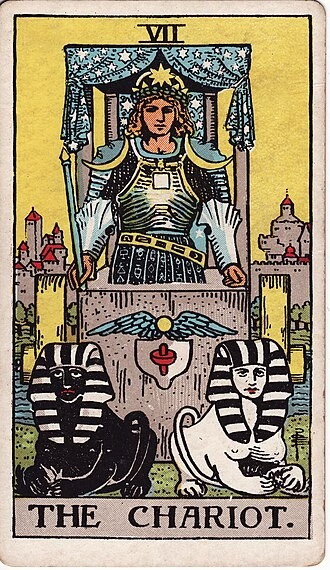
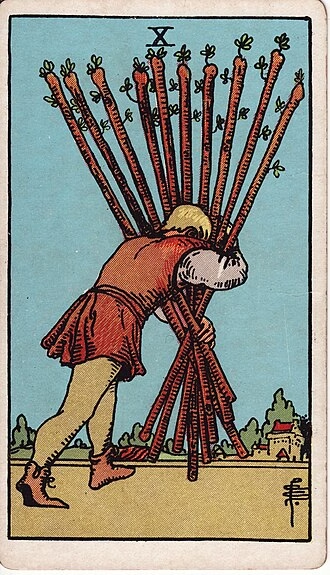
The archetype: The Chariot shows huge forward drive. Paired with the Ten of Wands, it shows the cost: someone carrying more than they chose, head down, unable to see where they’re going.
Ask yourself: If no one would ever know you’d been offered this, would you still want it?
2. Staying in Golden Handcuffs Long After the Learning Stopped
The salary is predictable and the EMIs are planned around it. The learning stopped two years ago. People mistake predictability for safety.
Meanwhile the market moves on. The real cost isn’t stagnation; it’s a slow loss of confidence. I hear it in a particular sentence: “I’m not even sure I could get hired elsewhere anymore.” The handcuffs tighten because every year of staying makes leaving feel harder.
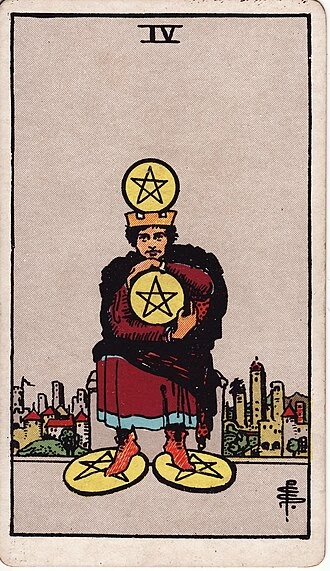
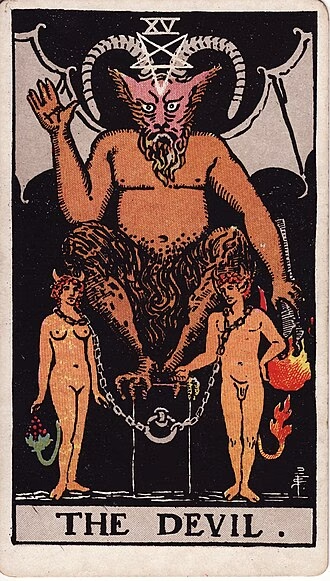
The archetype: The Four of Pentacles clutches its coins so tightly it can’t reach for anything new. In The Devil, the chains around the figures’ necks are loose enough to lift off. The point of the image is that they could walk away, and they don’t.
Ask yourself: What would you have to believe about yourself to leave, and when did you stop believing it?
3. Postponing a Hard Conversation Until Reality Forced It
A co-founder isn’t pulling their weight. A role has drifted out of alignment. A relationship has gone quiet in a way both people notice and neither names. The hope is that the ambiguity will resolve itself.
It rarely does. It compounds. Eventually something forces the issue: a resignation, a board intervention, a crisis. What people regret isn’t the conversation itself. They regret that it happened on someone else’s terms and someone else’s timeline.
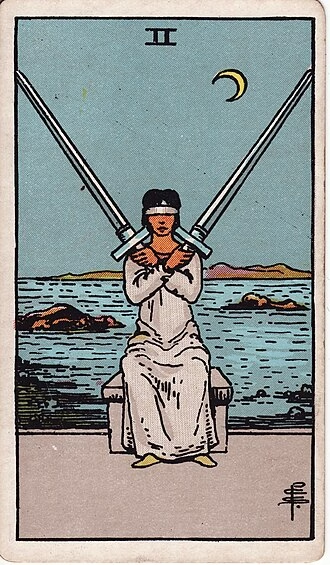
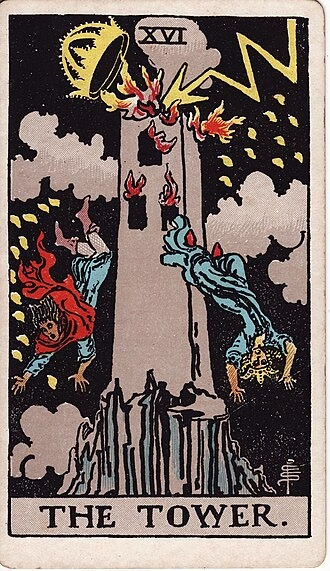
The archetype: The Two of Swords shows a blindfolded figure holding crossed swords, a stalemate kept in place by not looking. The Tower is what avoided conversations often turn into: a sudden collapse that had been building, unnoticed, for months.
Ask yourself: What conversation are you rehearsing in your head that you haven’t put on the calendar?
4. Leaving Out of Exhaustion Rather Than Clarity
This is the mirror image of the golden handcuffs. Someone deeply burned out makes a permanent exit: they resign with no plan, dissolve a partnership, or end a relationship after one brutal quarter.
Six months later, rested, they realise what they needed was a boundary, a sabbatical or a different manager, not a scorched-earth departure. Exhaustion distorts the time horizon. Everything feels urgent and final.
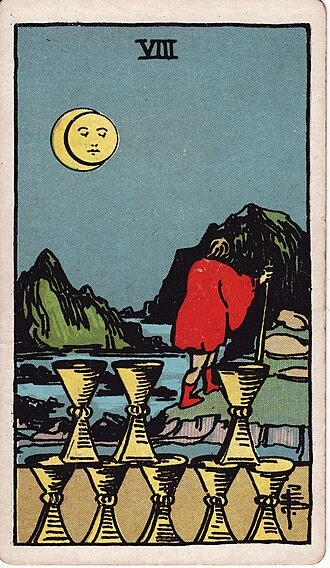
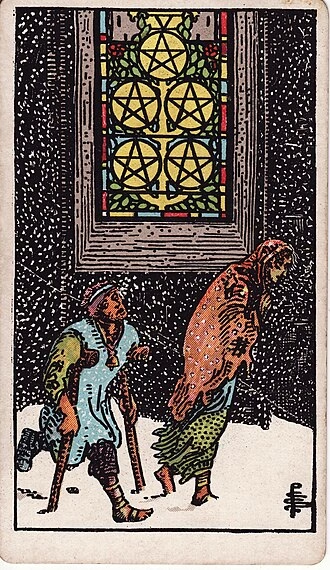
The archetype: The Eight of Cups shows a deliberate departure, walking away by moonlight after reflection. The Five of Pentacles shows depleted figures in the cold, walking straight past a lit window where help is available. Both are exits, and the difference between them is everything.
Ask yourself: If you had three weeks of real rest first, would you still make this decision?
5. Outsourcing a Core Life Choice to a Committee
This person collects fifteen opinions from parents, peers, mentors and colleagues so that the responsibility is spread across everyone. In my world, it sometimes includes waiting for a card to grant permission.
I’ll be direct: when clients ask me to make the decision for them, I decline. When a committee decision goes wrong, people resent the committee. When it goes right, it never quite feels like theirs.
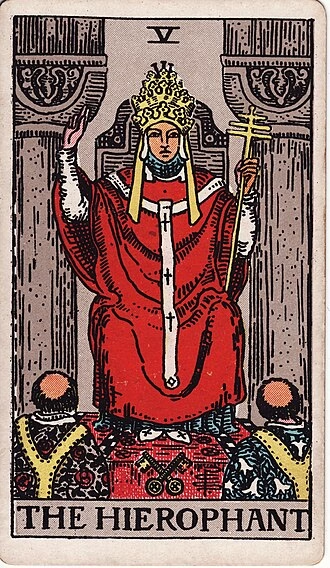
The archetype: The Hierophant represents institution, tradition and the approved path. It’s valuable as counsel and corrosive as a substitute for your own judgment.
Ask yourself: Whose disappointment are you trying to make impossible?
6. Ignoring an Early Values Mismatch Because the Numbers Looked Good
It happens in the honeymoon phase. A partner cuts a corner in the first negotiation. A new boss takes credit once, smoothly. A culture celebrates burnout during onboarding. The discomfort gets noticed and then dismissed, because the numbers work.
Two years later, after a breach of trust, the same person tells me: “Honestly, I knew in the first month.” They usually did.
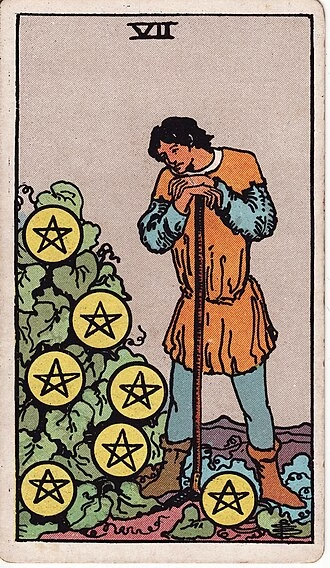
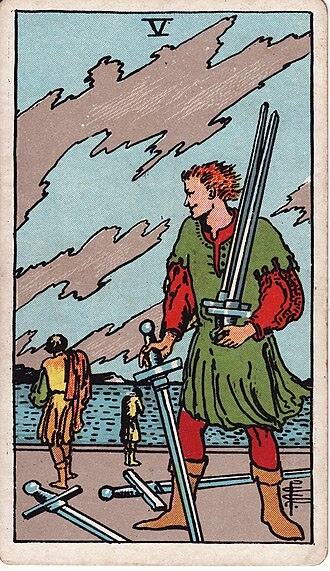
The archetype: The Seven of Pentacles pauses to assess the harvest, which is the right instinct. The Five of Swords shows someone collecting swords after a win while everyone else walks away. Read together, they ask what kind of win you’re actually signing up for.
Ask yourself: What did you notice in the first month that you’ve since talked yourself out of?
7. Waiting for “Zero Fear” Before Starting
This person treats fear as a stop sign. “When I’m more ready.” “After this financial year.” A six-month hesitation becomes a five-year standstill, and the idea quietly expires.
Fear isn’t evidence that a decision is wrong. It’s a normal byproduct of entering unfamiliar territory. Good planning should reduce risk, but it was never going to remove fear.
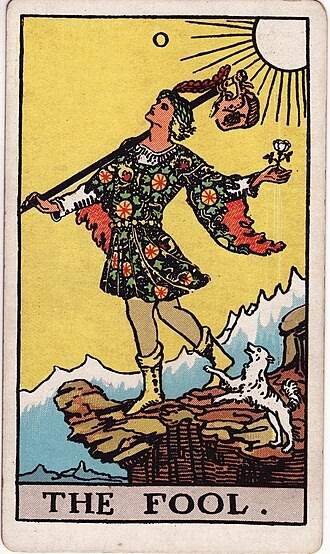
The archetype: The Fool steps forward with a small bag and a cliff edge in plain view. The figure isn’t reckless, just unencumbered, and the small dog at its heels stands for awareness without paralysis.
Ask yourself: What’s the smallest version of this you could start in the next 30 days, fear included?
The Common Thread
Look at the seven together and one pattern shows up: each regret comes from optimising for short-term relief from discomfort instead of long-term alignment.
- The proving-it promotion relieves status anxiety.
- The handcuffs relieve uncertainty.
- The postponed conversation relieves conflict.
- The exhausted exit relieves pain.
- The committee relieves responsibility.
- The ignored mismatch relieves friction.
- The waiting relieves fear.
Relief isn’t the same as resolution. In every case, the uncomfortable thing was postponed, and it came back with interest.
So the better question at a crossroads isn’t “Which option feels less uncomfortable?” It’s this:
“Which discomfort am I willing to carry, and for what reason?”
If You Recognised Yourself
If you’re standing inside one of these seven patterns right now, rather than looking back at it three years from now, that recognition is valuable. It isn’t a sign. It’s data, and you noticed it while you can still act on it.
If you’d like to look at it in a structured way, I offer a 75-minute Decision & Blind-Spot Audit. We map the decision, the assumptions underneath it and the trade-off you may be avoiding. Within 48 hours you’ll receive a written Executive Clarity Summary.
This is reflective advisory work, not therapy, and it doesn’t guarantee any outcome. It gives you a clearer view of your own thinking, and the decision stays yours.